


Only about one in four IVF cycles succeed for women under 35, and success rates drop sharply with age. In addition, there are financial and emotional strains: in the UK, one cycle costs roughly £5,000, and NHS access is limited, with waiting lists stretching for months. IVFmicro, a University of Leeds spinout, believes it has a way to change that equation.
The company has developed a new microfluidic device to make IVF more effective and affordable. By taking some of the most delicate, manual steps in the IVF process and replacing them with a carefully engineered system that nurtures embryos in tiny, nutrient-rich fluid flows, IVFmicro aims to improve outcomes while reducing cost and complexity.
Today, the company has raised £3.5 million in pre-seed funding, led by Northern Gritstone and joined by the Innovate UK Investor Partnerships Programme. The new capital will support the next stage of testing, including verification and validation studies that pave the way for trials on human embryos in fertility clinics.
Bringing engineering precision into the fertility lab
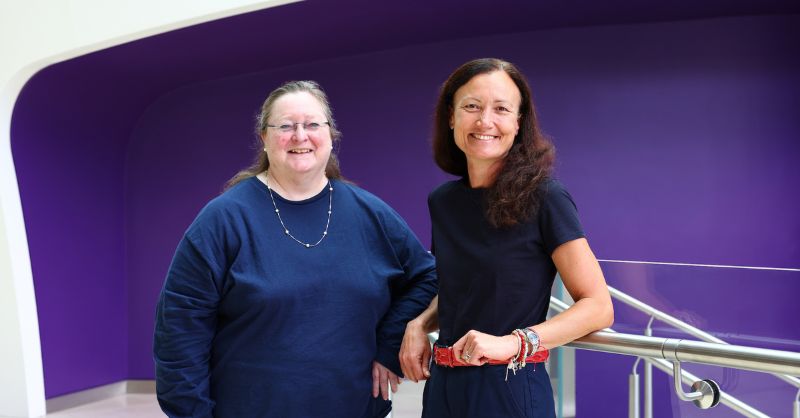
IVFmicro was founded in 2018 by Professors Virginia Pensabene and Helen Picton, both world-class researchers at the University of Leeds.
Helen Picton, Scientific Director and Co-founder, IVFmicro, said: “At IVFmicro, we are harnessing years of research into reproductive biology to create a practical, accessible solution that can improve outcomes for patients undergoing fertility treatment. Our goal is to make IVF more effective, more predictable, and ultimately more hopeful for those striving to start a family.”
IVFmicro’s device is built around microfluidics, in which embryos grow in a continuously refreshed, optimised flow of nutrients that more closely mimics the conditions they would experience in the body.
Studies show a 10–15% improvement in embryo quality and quantity, giving clinics more viable embryos for transfer and increasing the likelihood of pregnancy. Importantly, the device fits seamlessly into existing IVF workflows, so clinics can adopt it without overhauling infrastructure or retraining staff.
Unlike Vitrolife, CooperSurgical, and Merck, IVFmicro reimagines the culture environment itself, offering what the founders describe as a new foundation for IVF success.
What’s next?
With new funding secured, IVFmicro is preparing to move into clinical trials in partnership with leading UK and European fertility centres.
Beyond the UK, the company is also looking further afield. Expansion plans include collaborations in Europe, Asia, and the Middle East, where demand for affordable, high-performance fertility solutions continues to rise.
Duncan Johnson, CEO, Northern Gritstone, said: “IVFMicro is a brilliant example of the world-class innovation emerging from the Northern Arc’s universities, combining scientific excellence with a clear commercial vision to tackle the societal challenge of infertility. Millions worldwide require fertility treatment, but new solutions are needed to overcome the high costs involved and low success rates.”
