


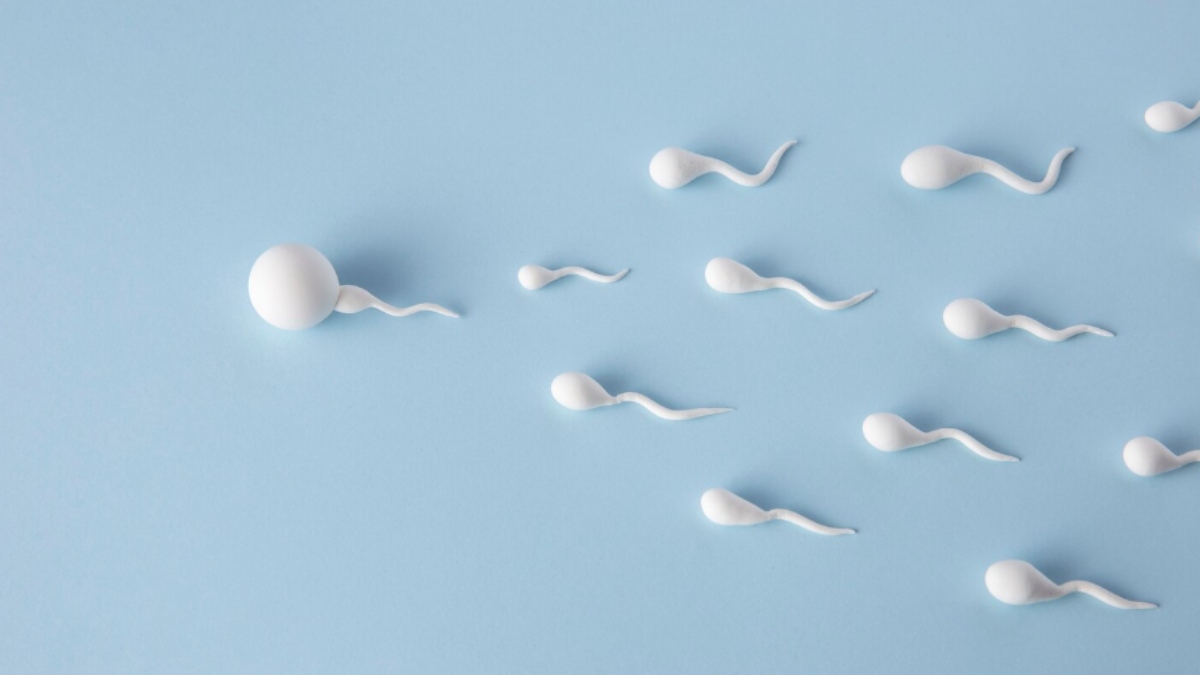
Delhi’s severe pollution is now linked to declining sperm count, hormonal imbalance and lower fertility in men. Experts explain how toxic air affects reproductive health and what men can do to protect themselves.
Delhi’s rising pollution levels are not only harming the lungs, heart, and skin but also silently affecting male fertility by lowering sperm count and overall reproductive health. This article helps to decode the link between pollution and fertility. This is the time that men take charge of their reproductive health.
Delhi’s air pollution has become a serious public health crisis, with harmful pollutants affecting almost every organ in the body. It is a known fact that bad air quality leads to breathing problems, cough, asthma flare-ups, and heart risks. Are you aware? Long-term exposure to polluted air may also affect reproductive health, especially in men.
According to various studies, sperm count, sperm quality, and hormonal balance may be impacted by the toxic air men breathe daily. Hence, men should exercise caution when it comes to their reproductive health.
How Delhi pollution affects male fertility
Various studies confirm that Delhi’s air is filled with fine particulate matter (PM2.5), nitrogen oxides, heavy metals, industrial chemicals, and smoke from vehicles and construction sites. So, when the pollutants enter the body, they induce oxidative stress and inflammation, which affect the reproductive system.
Hence, men can experience issues such as low sperm count as the pollutants damage the cells responsible for sperm production. Exposure to toxins can affect sperm shape, motility, and DNA quality. Pollution can disturb testosterone levels, reducing fertility potential. Continuous inhalation of polluted air reduces oxygen supply to tissues, affecting testicular function. Young men are also complaining of low libido, fatigue, difficulty in conceiving, and abnormal semen analysis.
Key precautions to protect male reproductive health
When we spoke to Dr Shuchi Lakhanpal, Fertility Specialist, Nova IVF Fertility, Noida, Delhi-NCR, she said “Make sure to cover the face by wearing a mask, use an air purifier at home, avoid outdoor workouts when AQI is high, have antioxidant-rich foods like fruits, nuts, seeds, and leafy vegetables, ensure proper hydration which will help to eliminate toxins from the body, quit smoking and alcohol, go for regular semen analysis if planning for pregnancy, stay stress-free by doing activities such as yoga, deep breathing, and walking indoors.”
Hence, adhering to these crucial precautions, eating right and awareness about your health, men can prevent fertility issues.
Disclaimer: Tips and suggestions mentioned in the article are for general information purposes only and should not be construed as professional medical advice. Always consult your doctor or a dietician before starting any fitness programme or making any changes to your diet.
ALSO READ: India’s declining fertility: How delayed parenthood and lifestyle choices are driving infertility
